


A Los Angeles disc jockey coined that phrase in 1958 to describe past rock ‘n’ roll hits that remained popular. Today, it broadly characterizes anything old that is still cherished, valued, and enjoyable. Think antique stores and consignment shops. And, grandparents! LOL
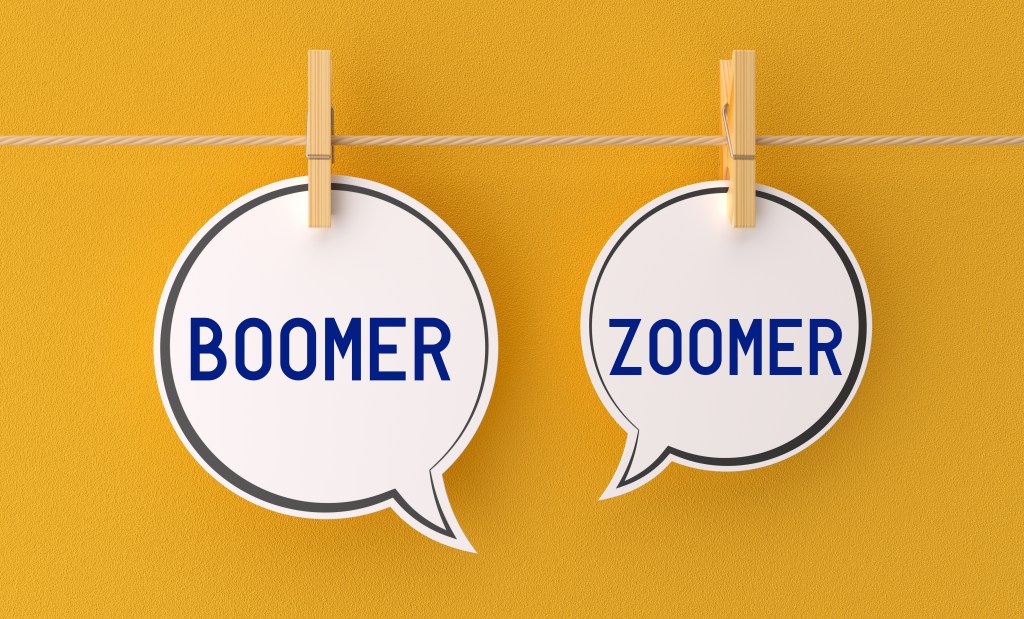
Recently, we focused on Gen Z slang to help us translate what the kids today are saying. Then we thought: what about our Boomer/Silent Generation slang?? Lots of oldies but goodies!
The Silent Generation’s slang included keen… appealing…mentally sharp…a keen mind. Scram…leave now! Gam…a woman’s leg, especially in reference to its shapeliness. If you were cruising for a bruising, you were looking for trouble. And, square. You know, someone who isn’t hip.
The Silent Generation is also credited with popularizing the term “trick-or-treat,” although the tradition hit a major roadblock during World War II when sugar rationing made handing out candy nearly impossible.
Don’t flip your wig, but Boomers also generated some great slang. Televisions were called boob tubes, because many thought they were a mindless activity. If we include all screens, that slang term couldn’t be more relevant today. My bad continues to hang. Mellow will never be outdated. Listen to the Beatles while you chill out.
Buzz off is a great way to ask someone who is always a drag to get lost. Too bad if they are ticked off. And can you remember the last time you got decked out in your best threads? Maybe we’re not using the Boomer slang term groovy anymore, but everyone knows what you mean when you say far out, catch some Zs, bummer, or share that you are on cloud nine.
Dictionaries add slang words to reflect how people are actually speaking at the time, usually slang that newly describes technology, pop culture, or social changes. They ungraciously bump old, rarely-used slang and other words. Our slang has had staying power!
We’ll give Gen Xers, now 45 to 60, credit for some creativity. They used wicked to describe something awesome and impressive—not a movie or a musical. They introduced as if as an expression of sarcasm, bite me, a retort expressing contempt or annoyance and dude. One of our favorites from Gen X? Gag me with a spoon!
Millennials come next. They coined bae as a term of endearment, now found constantly in crossword puzzles. They also popularized FOMO, an acronym for fear of missing out, and YOLO, which is short for you only live once. Delete!
Got a kick out of the National Gallery of Art’s Instagram page featuring its 77-year-old deputy head of sculpture using Gen Z slang she recently learned to attract young viewers. She stepped behind a 16th-century urn on camera and said, “Chat, I’m about to buss it down Roman Empire style. Haters will say this urn is mid, but they don’t know we’ve clocked its tea.” It worked. One of her reels garnered over 2.1 million views in just three days. Go, girl! We, of course, have no idea what she was talking about.
Generation Alphas, now 16 at the oldest, have years to go to create their own slang. However, they, along with younger Gen Zs, are responsible for 6 7. The kids tell us it is already on the way out, thankfully. However, you’re delulu if you think any Gen Z slang will last long in dictionaries. Well, maybe doomscrolling?
So, our Wrinkled Wisdom for today? Take pride that loads of our slang has been adopted into mainstream language. Keep a list on your phone of your favorite fun slang. Need that list since we all suffer at times from lethologica. Huh? You know… when you just can’t remember that particular word or name. Add flair and humor to your daily conversations. Keep our oldies but goodies alive. Neato! Right on!
PS: We’d like to give a shout out to the Australian Boomers who first introduced us to no worries.






 Wrinkled Wisdom